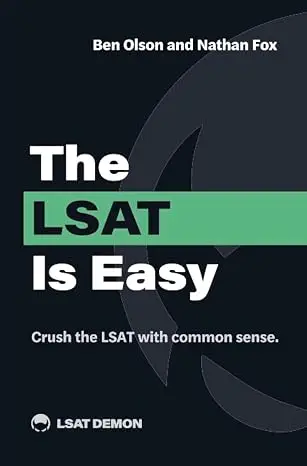
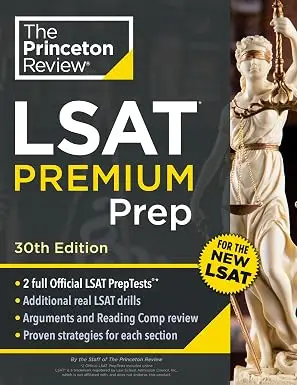
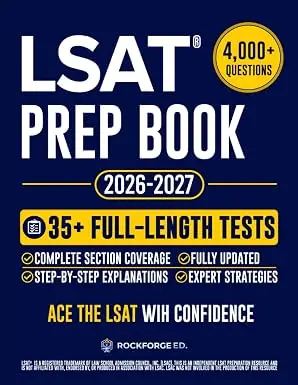
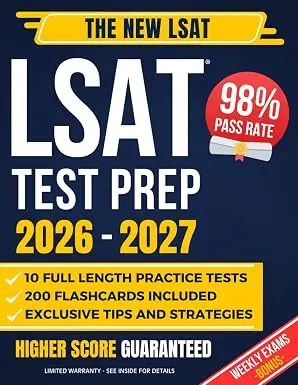
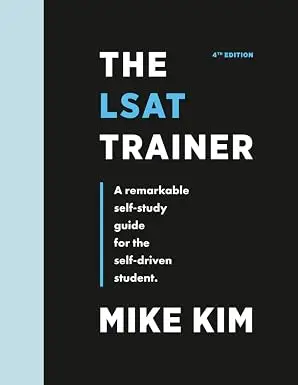
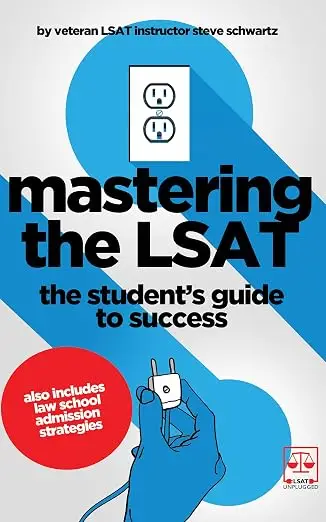
The books on this page are intended to help future law students find LSAT study materials that fit their goals, learning style, and timeline. Some LSAT prep books focus on full-test strategy, while others go deeper into specific skills such as Logical Reasoning or Reading Comprehension. Whether you are just beginning your LSAT study plan or looking for a resource to target a weak area, this list can help you compare popular prep books and choose a starting point for more focused, consistent practice.
The LSAT is challenging because it is not a test of memorized facts. Instead, it is designed to measure skills that matter in law school, including careful reading, logical analysis, argument evaluation, and the ability to work through difficult questions under time pressure. Many students find the LSAT hard at first because the question types are unfamiliar, but the exam becomes more manageable with repeated practice, review, and a clear understanding of how each section is structured.
Why Test Prep is Important
LSAT prep is important because improvement usually comes from learning the test’s patterns, not simply studying harder. A good prep book can help you understand common question types, avoid trap answers, build timing strategies, and review mistakes in a structured way. Because the LSAT rewards precision and consistency, regular practice with explanations can help you move from guessing to recognizing why one answer is stronger than the others.
Why Do I Need a High LSAT Score?
A high LSAT score can strengthen your law school application and may expand your admissions and scholarship opportunities. Law schools often consider LSAT scores alongside GPA, personal statements, recommendations, work experience, and other application materials, but the LSAT remains one of the clearest standardized measures in the admissions process. Raising your score can help you become a more competitive applicant, especially if you are aiming for selective schools, merit-based aid, or more flexibility in choosing where to attend law school.