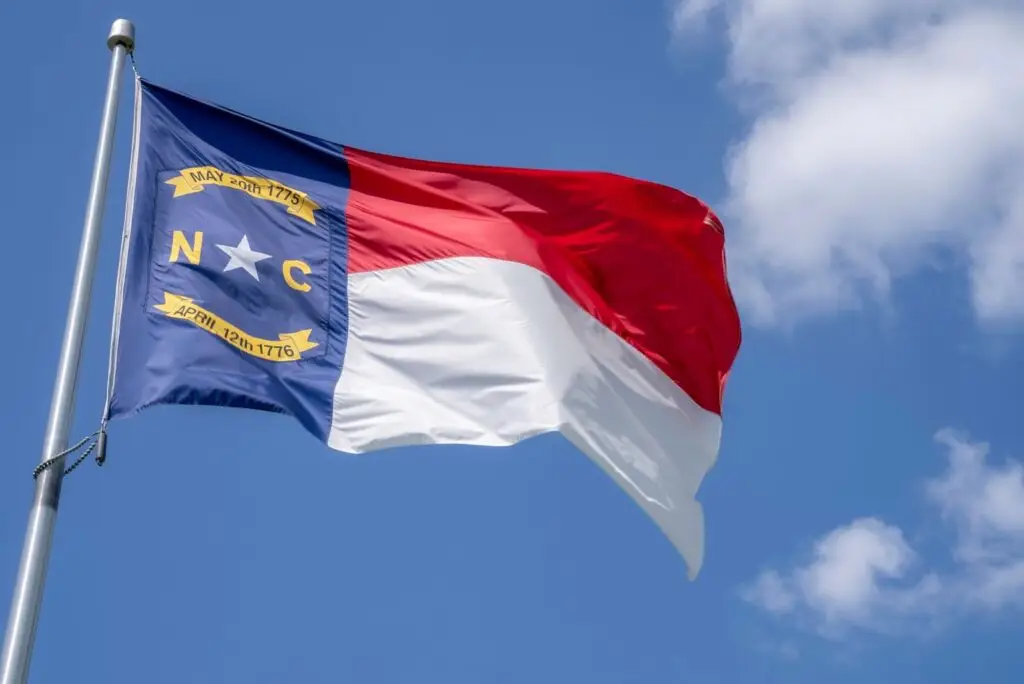
North Carolina offers one of the more structured paralegal education landscapes in the country because the North Carolina State Bar operates a voluntary certification program for paralegals. Students do not have to become certified to work as paralegals in North Carolina, but completing a qualified paralegal studies program can help graduates meet the education requirements to apply for the North Carolina Certified Paralegal credential.
For this ranking, we prioritized programs that are listed by the North Carolina State Bar as qualified paralegal studies programs, programs with ABA approval where applicable, programs connected to strong legal markets such as Charlotte, Raleigh, Durham, and the Research Triangle, and programs that offer practical legal research, writing, ethics, litigation, and substantive law coursework.
Top North Carolina Paralegal Programs
| Rank | School | Location | Program Type | Best Fit |
|---|---|---|---|---|
| 1 | Central Piedmont Community College | Charlotte | Associate degree and diploma | Students who want an established, career-focused paralegal program in North Carolina’s largest legal market |
| 2 | Meredith College | Raleigh | Certificate | Degree-holding students who want a respected paralegal certificate in the state capital region |
| 3 | Duke Paralegal Studies Certificate Program | Durham | Certificate | Working adults and career changers who want a certificate option tied to the Research Triangle legal market |
| 4 | UNC Charlotte | Charlotte | Certificate | Students seeking a professional certificate pathway in a major corporate and legal services hub |
| 5 | Wake Technical Community College | Raleigh | Associate degree and certificate | Students in the Raleigh area who want an affordable public college pathway into paralegal work |
1. Central Piedmont Community College
Central Piedmont Community College earns the top spot because of its long-standing presence in Charlotte, its mix of degree and diploma options, and its strong fit for students who want to enter the legal workforce in one of the state’s largest legal and business centers. The program is listed by the North Carolina State Bar as a qualified paralegal studies program, with associate and diploma designations dating back decades.
Central Piedmont is especially useful for students who want a traditional community college pathway into paralegal work. The curriculum is designed to develop practical legal skills, including legal research, legal writing, litigation support, law office procedures, ethics, and substantive law. Because Charlotte is home to law firms, banks, corporate legal departments, government offices, and nonprofit legal organizations, students in this region may have access to a wide range of legal support career paths.
2. Meredith College
Meredith College is one of North Carolina’s strongest options for students who already have college experience and want a focused paralegal certificate. The program is based in Raleigh, giving students access to the legal community surrounding the state capital, courts, government agencies, administrative offices, law firms, and public interest organizations.
The North Carolina State Bar lists Meredith College as a qualified paralegal studies program, and the school has one of the longest histories of paralegal education in the state. For students who want a certificate instead of a full associate degree, Meredith can be a strong option because it is built around the legal skills employers typically expect from entry-level and early-career paralegals.
3. Duke Paralegal Studies Certificate Program
Duke’s Paralegal Studies Certificate Program is a good fit for students who want a recognizable university-based certificate and are interested in the Durham and Research Triangle legal markets. The North Carolina State Bar lists the Duke Paralegal Studies Certificate Program as a qualified program for its classroom program, which makes it an important option for students who want to pursue the North Carolina Certified Paralegal pathway.
The Research Triangle is home to law firms, health care organizations, universities, technology companies, startups, and government-related employers. That makes Duke’s program especially appealing for students who want to prepare for paralegal work in corporate law, litigation, intellectual property, health care, contracts, compliance, or other law-adjacent fields.
4. UNC Charlotte
UNC Charlotte offers a paralegal certificate that is well-positioned for students who want a professional program in the Charlotte area. The North Carolina State Bar lists UNC Charlotte as a qualified paralegal studies program, and its location gives students access to the state’s largest city and one of the Southeast’s major business centers.
This program can be a strong choice for students who already have a college degree or professional experience and want to add paralegal training without completing another full degree. Charlotte’s legal market includes law firms, corporate legal departments, financial institutions, real estate companies, health care employers, and government offices, so students may be able to apply their training across several different legal environments.
5. Wake Technical Community College
Wake Technical Community College rounds out the list because it gives students in the Raleigh area a public college pathway into paralegal education. The North Carolina State Bar lists Wake Tech as a qualified paralegal studies program for both associate degree and certificate options, with designation listed in 2024.
Wake Tech is a practical choice for students who want a lower-cost route into the field while staying close to the state capital and the broader Research Triangle. Students who want to work in law firms, government offices, corporate legal departments, courts, or public service settings may benefit from studying in a region with a large and varied legal community.
How to Choose a Paralegal Program in North Carolina
Students comparing paralegal programs in North Carolina should pay close attention to whether the program is listed as qualified by the North Carolina State Bar. This matters because students who want to apply for North Carolina Certified Paralegal status must meet the education requirements and pass the certification examination.
Students should also compare program format, cost, location, internship opportunities, legal specialty coursework, and whether the program is designed for students who already hold a degree. Associate degree programs may be a better fit for students beginning college, while certificate programs are often designed for students who already have an associate degree or bachelor’s degree in another field.
North Carolina Paralegal Certification
North Carolina’s paralegal certification program is voluntary. A person can work as a paralegal in North Carolina without being certified, but only those who meet the certification requirements may use titles such as North Carolina Certified Paralegal or North Carolina State Bar Certified Paralegal.
For students, this makes program selection especially important. A qualified paralegal studies program can help satisfy the educational requirements needed to apply for certification. Students should verify current program status directly with the North Carolina State Bar before enrolling, since program approval and qualification status can change over time.
Career Outlook for Paralegals
Paralegals and legal assistants help lawyers by conducting legal research, organizing files, drafting documents, preparing for hearings and trials, and supporting client matters. According to the U.S. Bureau of Labor Statistics, the typical entry-level education for paralegals and legal assistants is an associate degree, though certificate programs are also common for students who already have college experience.
The Bureau of Labor Statistics reported a 2024 median pay of $61,010 per year for paralegals and legal assistants. National employment growth is projected to show little or no change from 2024 to 2034, but the occupation is still expected to have openings each year as workers retire, change careers, or move into other roles.
Sources
North Carolina State Bar – Paralegal Certification
North Carolina State Bar – Qualified Paralegal Studies Programs
American Bar Association – Directory of ABA Approved Paralegal Education Programs
American Bar Association – Educational Information for Paralegals
U.S. Bureau of Labor Statistics – Paralegals and Legal Assistants